This open studio presents an evolving strand of Anais-karenin's research during the residency at the Singapore Art Museum, examining how colonial histories, extractivism, and contemporary geopolitics in Singapore shape vegetal knowledge systems.
Expanding from her initial inquiry into interspecies communication and local ecological narratives, the project has developed into a focused investigation of Jamu, the traditional herbal medicine rooted in practices across Indonesia and Malaysia that has remaining traces in Singapore. This knowledge that was shaped by colonial botanical ontologies, forestry economies, and modern regimes of tropical luxury and wellness.
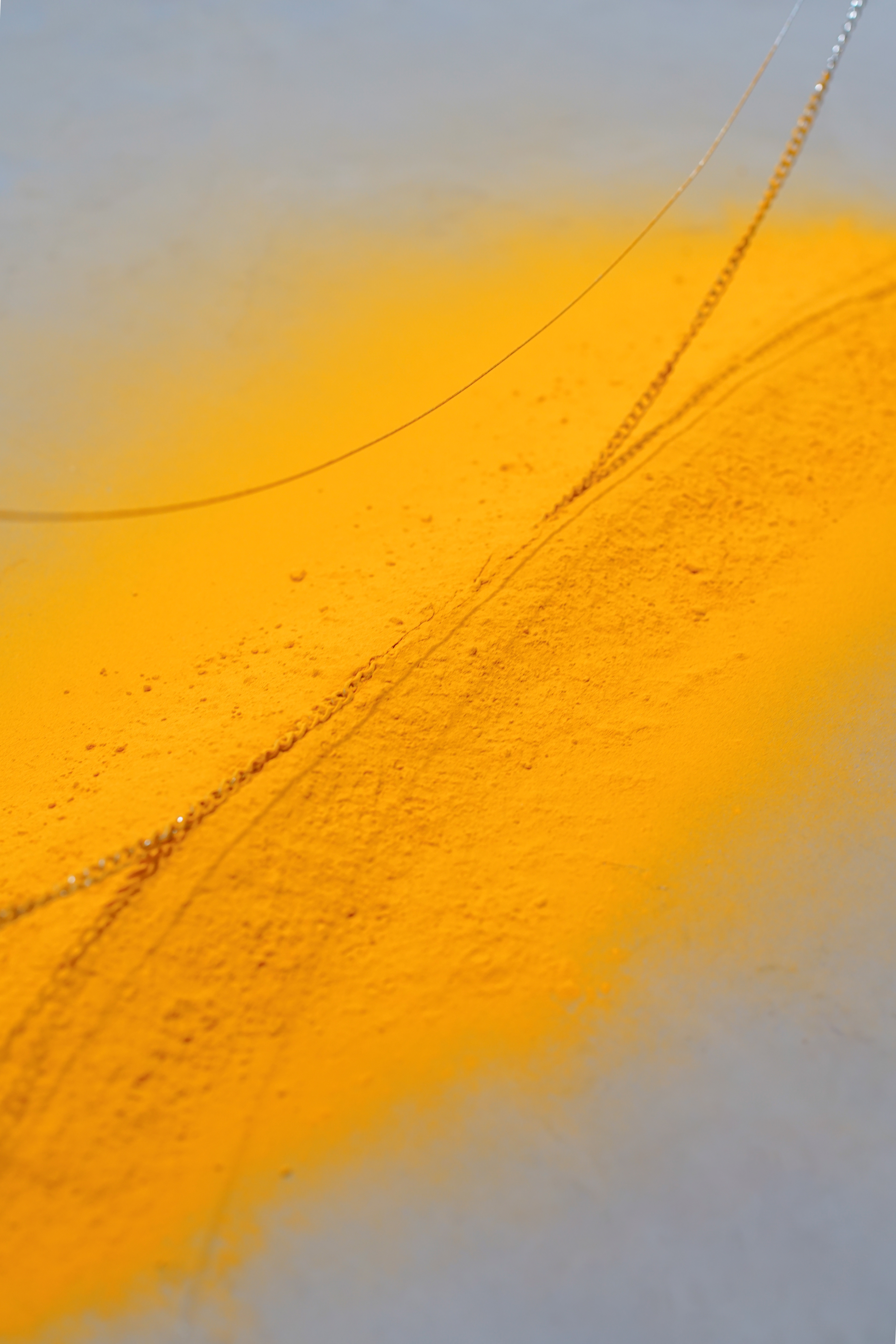
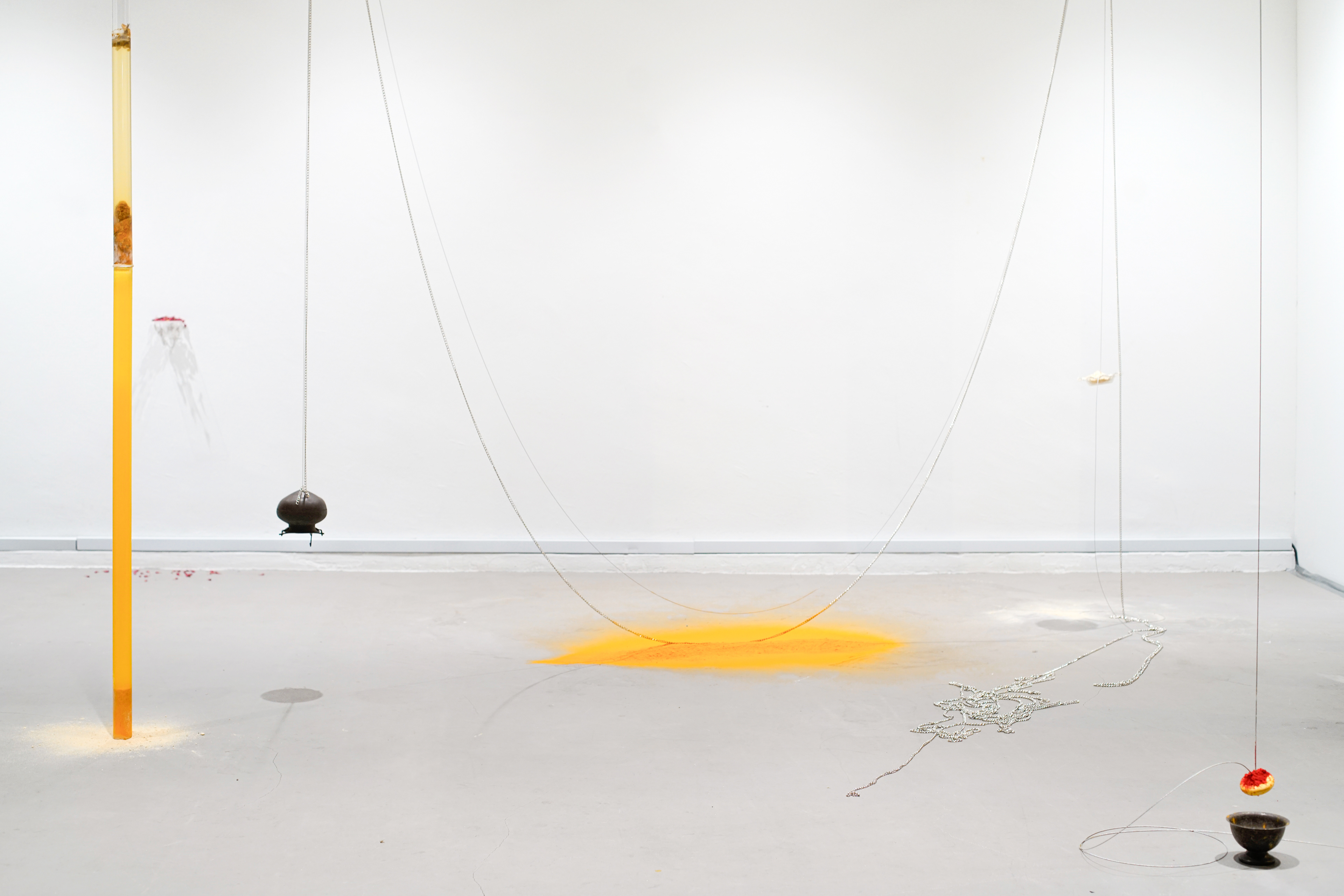
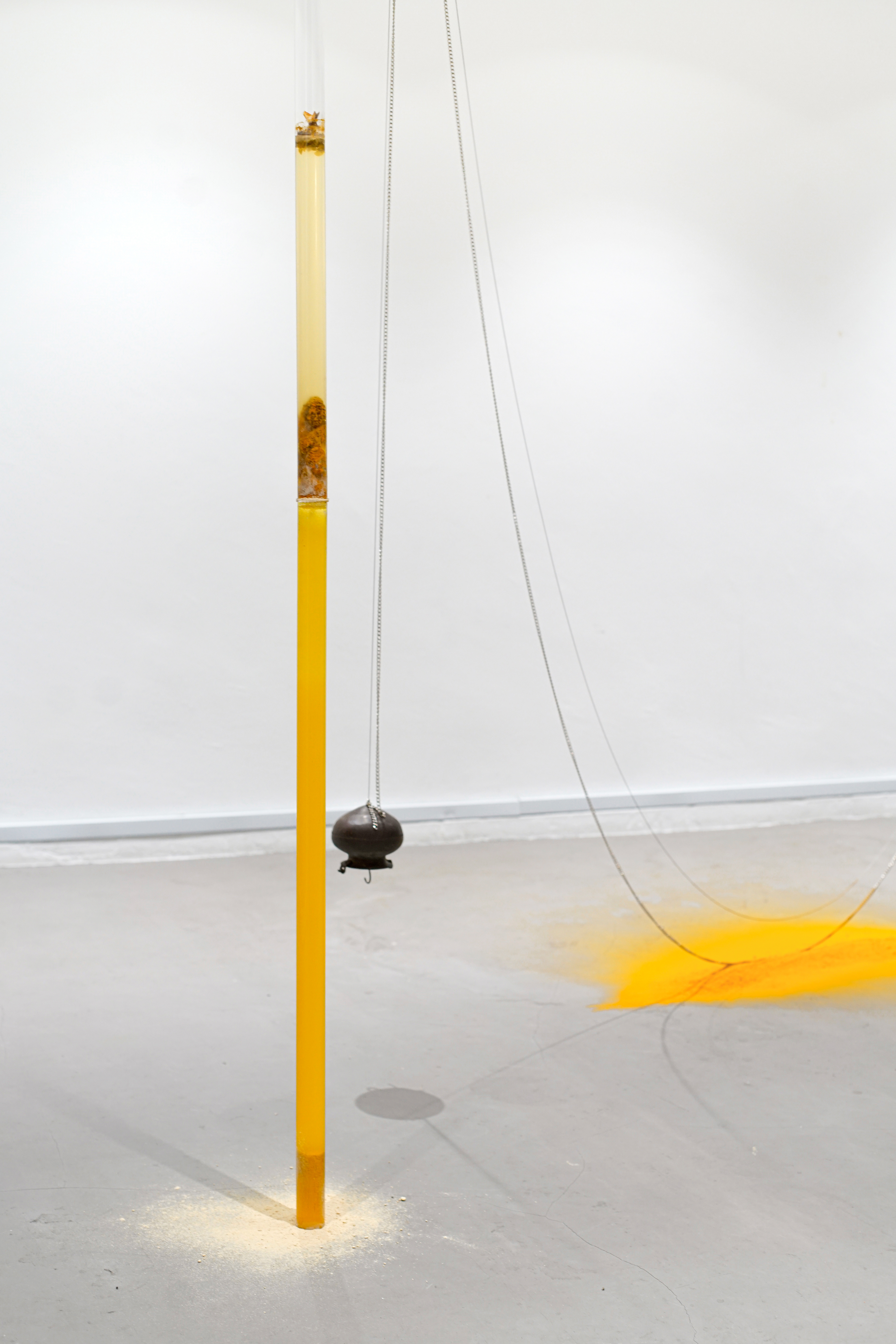
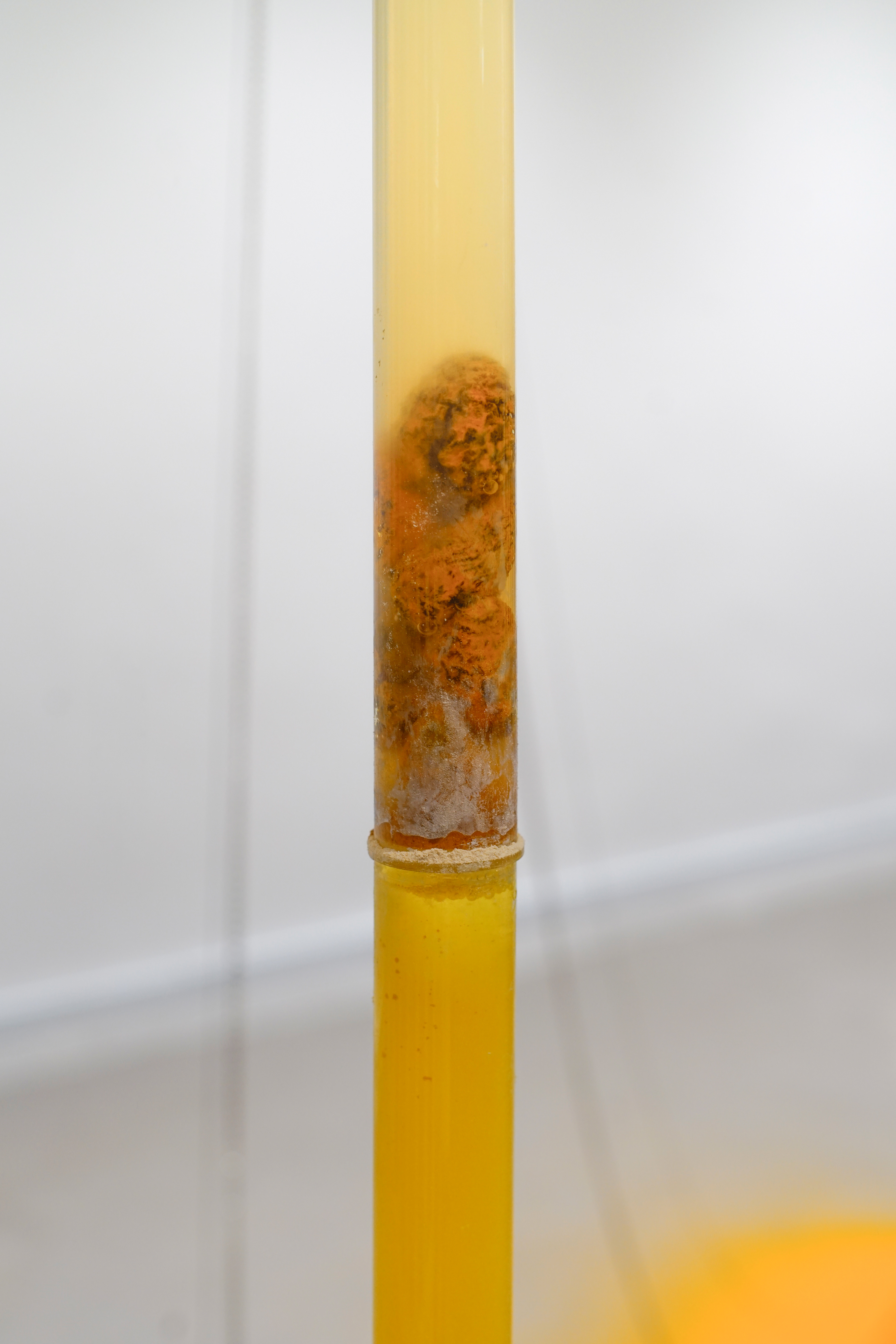
Jame Stories is based on an ongoing ontological research process that connects plants and human cultural systems as co-constitutive agents of history. Through material studies, archives, and herbal experiments, the open studio offers insight into methodologies that bridge artistic practice with ecological historiography, foregrounding the tensions between ancestral knowledge, scientific classification, and contemporary urban nature imaginaries.
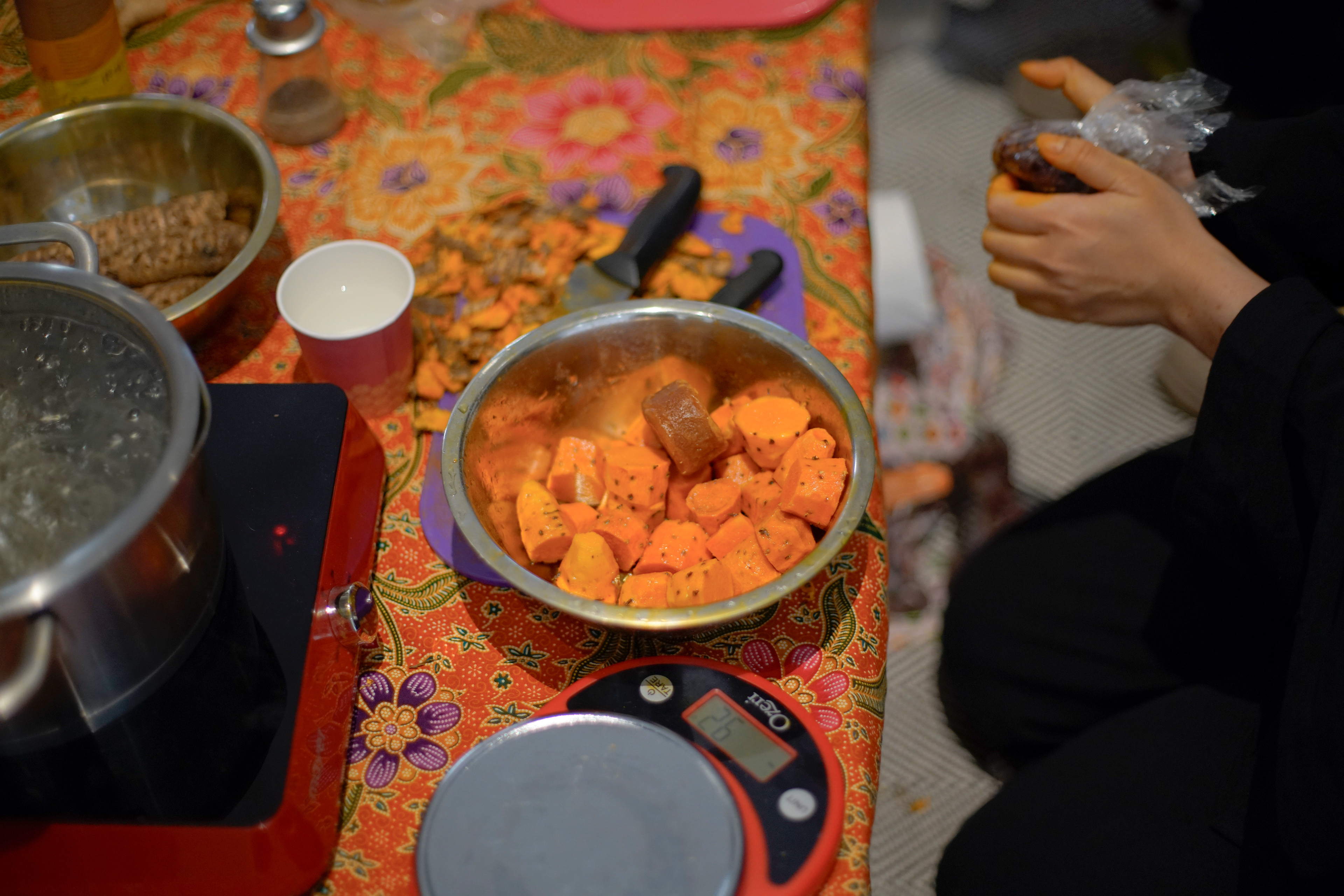
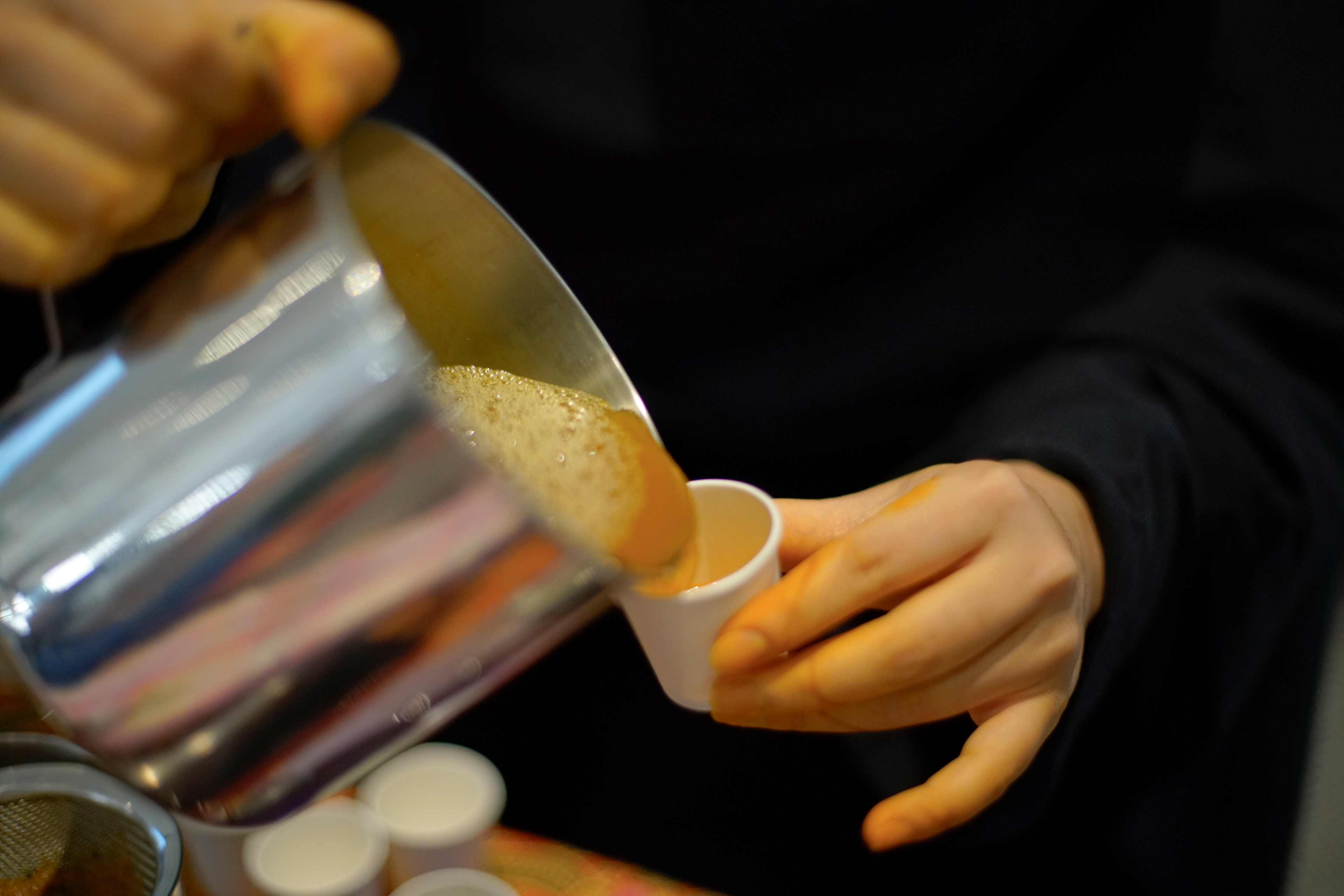
As part of the museum's public program Anais-karenin also presented "Plant Stories: making remedies, making kin," inviting the collaborators Suryakenchanna and Kamelia Kenchanna through the practice of jamu. Reflecting on relationships between plants, culture, and histories, this session explores the convergence of art expressions and medicinal practice. Together, they open a conversation on how plant knowledge is transmitted, adapted, and reinterpreted across contexts, addressing the intersections of tradition and contemporary practice, art and healing, and the cultural and ecological complexities surrounding plants across regions often grouped under the idea of the tropics, while quietly questioning the historical frameworks that have reshaped and defined them.
.